How to Choose a Professional 3D Scale Model Maker
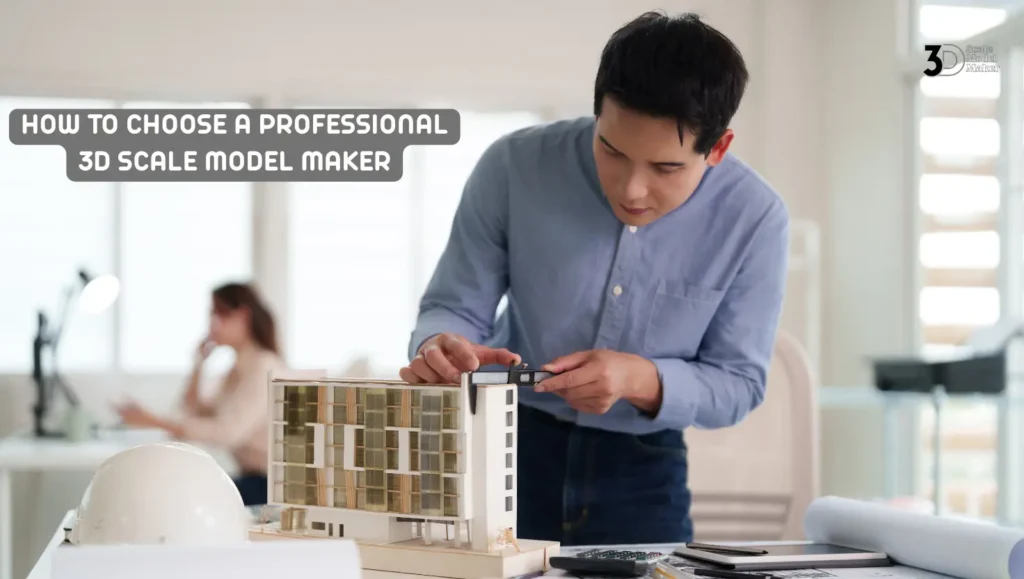
Choosing the 3D scale model maker is an important choice when you want to turn a design, drawing or concept into a detailed physical model. Whether you are a real estate developer, architect, engineer or manufacturer a made 3D scale model can help you explain your ideas clearly and show your project with more power.
From architectural 3D scale model of houses and neighborhoods to industrial 3D scale model of factories and machines every project needs a different way to plan design pick materials keep accuracy and finish.
However finding the right 3D scale model maker is more, than looking at prices. You need a 3D scale model maker that knows what you need gives you manufacturing options and cares about every important detail.
In this guide we will explain how to choose a 3D scale model maker, what factors to think about before you place an order and how to find a solution that fits your project’s needs.
What Is a Professional 3D Scale Model Maker?
A skilled 3D scale model maker builds real‑life models of buildings, factories, machines, products and other structures. These models are versions but keep the same shape and important details.
First the maker looks at drawings, CAD files, reference pictures and the project details. After that does the maker choose the right materials and the way to make the model.
The work can involve laser cutting, 3D printing, precise making, hand building, painting, adding lights and careful finishing touches depending on what the project needs.
Professional 3D scale model making services are commonly used for:
- Architectural scale models: Residential buildings, commercial complexes, townships, and real estate developments.
- Industrial scale models: Factories, manufacturing plants, machinery, and industrial layouts.
- Engineering scale models: Infrastructure projects, structural systems, and technical equipment.
- Product scale models: Physical product representations for design reviews and presentations.
- Exhibition and display models: Custom models for trade shows, corporate presentations, and promotional displays.
Knowing what your project is meant to do will help you find a model maker who has the experience and the right skills.
7 Factors to Consider When Choosing a 3D Scale Model Maker
Selecting the right scale model-making company requires careful consideration of several factors. The following points will help you evaluate different providers and make a more informed decision.
1. Review the Company’s Experience and Portfolio
One of the things to check when choosing a professional 3D scale model maker is the companys portfolio. The portfolio shows what the company has done before. Previous projects provide an indication of its craftsmanship, attention to detail and experience with different types of models.
If you need an architectural scale model look at the accuracy of the building facades, windows, landscaping, roads and surrounding structures. For a model check how well the machinery, equipment layouts and structural components are represented.
Try to find examples that’re similar, to your own project in terms of size, complexity and intended use. This helps you get an idea of what to expect.
You should also ask whether the company has experience working with your type of drawings and specifications. A manufacturer that has done projects may be better prepared to spot potential problems and suggest good ways to solve them.
A portfolio that shows projects that are done can help you see the quality and style of work you will receive.
2. Check Scale Accuracy and Attention to Detail
Accuracy is essential in professional scale model making. If proportions are off parts are in the place or sizes don’t match it can confuse people about the original design.
A reliable model maker should be able to read drawings, CAD files, engineering plans and other technical references. They need to reproduce dimensions and relationships exactly as shown.
The right scale depends on the project’s purpose how much space is available for display and how detailed the model needs to be. For example a real estate presentation model might focus on the development, including landscaping and nearby roads. An engineering model on the hand may highlight technical parts and how structures fit together.
Before starting production talk about how measurements will be checked. Decide which parts need care. Also plan how changes, to the design will be handled.
A planned model should clearly show the original concept. It should also look clean and professional.
3. Evaluate Materials and Manufacturing Techniques
The materials and manufacturing techniques used in a 3D scale model influence the appearance of the model the durability of the model the weight of the model and the cost of the model.
Depending on the design manufacturers may use acrylic, wood, plastics, resin, foam board, metal components or 3D-printed parts. Each material has its characteristics so the right material selection depends on the model purpose and the desired finish. I have seen that wood gives a look while acrylic offers clarity.
Modern production techniques can improve precision and efficiency. Modern production techniques are useful for tasks. Laser cutting is useful, for components. 3D printing can produce geometries and customized parts. Skilled assembly, painting and finishing help bring components into a final model. I have worked with laser cutting before. I find that laser cutting sharpens details.
When discussing your project ask the model maker to explain the materials and manufacturing techniques.
The objective is to choose a combination that meets your requirements, for accuracy, appearance, durability and budget than selecting materials based on technology alone.
4. Compare Custom Scale Model Making Services
Every project comes with its special needs, which is why it’s important to think about customization when you choose a company that makes scale models.
Services for making custom scale models can involve sizes, certain colors, details about buildings, outside areas, lights, parts that can be taken off things that show a companys brand and special ways to finish the model.
For instance a person who builds houses might need a model that shows houses, streets, green areas and places people can use together. A company that makes machines might need a model that shows where the machines go, where work happens and how equipment is set up.
Before you ask for a price tell them what the model is, for and what parts you want to have. Give them any drawings you have pictures that help, measurements and examples of the style you like.
When the people who make the models understand what you need they can suggest the way to design and build it.
5. Understand the Cost of 3D Scale Model Making
The cost of a custom 3D scale model changes depending on things. These things include how big the model is, how hard it is to make what materials are used how detailed it needs to be if there is any lighting involved and how it needs to be done.
A simple display model might not need many parts or as much work to finish as a big architectural model that has many buildings, detailed grass and trees lights inside the buildings and special parts that are made just for the project.
When you ask for a price give much detail about your project as you can. Ask what the price covers. Things like making the design the cost of the materials building the model putting it all together making it look nice packing it up sending it to you and setting it up if needed.
It is also important to know how extra features or changes, to the design can change the price.
Don’t just pick a company because they have the price. Look at what they’re offering. Check what they will do how good the work will be, how they make the model and how they send it to you.
This way you can see what the service is really worth and not have any surprises at the end.
6. Check Communication and Production Timelines
Clear communication makes sure that everyone understands what you want during the model-making process.
Before you pick a company ask how they handle the meeting getting approval for the design letting you know how things are going and making changes if needed. You should know what information you need to give and when you have to make important decisions.
Production timelines are also very important. If the model is needed for a house opening, a show, a meeting with investors or a client check if the schedule they say they can do is actually possible, for your project.
Talk about how each part will take, like getting the design ready making the model putting it together finishing it and shipping it out.
An organized way of working makes it easier to handle what needs to be done manage changes and avoid delays.
7. Ask About Quality Control, Packaging, and Delivery
A made scale model should be looked at closely before it is sent out.
Quality checks can include checking the size, how parts line up how smooth the surface is, how well it’s put together if the lights work and how it looks when finished.
Packaging matters as much especially for big architectural models or ones with fragile parts. Tiny buildings, garden details, light setups and other fine features might need care while moving.
Before you place your order ask how the model will be packed and shipped. If you need it set up at a place find out if help with putting it together or installing it is offered.
Knowing all this ahead of time helps you get ready, for when the model arrives and how you plan to use it.
Benefits of Working With a Professional Scale Model Making Company
A scale model that is made professionally can help explain ideas in a way that is easy to understand and interesting. When you show a version of a project people get a chance to see how it is set up how big it is and what important parts it has more clearly.
For people who build houses and buildings scale models of buildings can help when they are showing off a place and trying to sell it. Models for factories and machines can help explain how equipment is placed how structures are built and what technical things are involved. Models made for shows can also help companies show their work to customers and guests.
If you work with a company that makes models and has a lot of experience it can make choices about what to use, how to build it how to add details and how to plan the work easier.
The best company to use is one that knows what you want talks, in a way and can make a model that fits what your project needs.
Questions to Ask Before Hiring a 3D Scale Model Maker
Before confirming your order, consider asking the following questions:
- Can you show examples of projects similar to mine?
- Can you work with my architectural drawings, CAD files, or engineering plans?
- What materials and manufacturing methods do you suggest?
- What Is Included in the Quotation?
- How long will the complete project take?
- Can I check design details before the production is done?
- How are design changes and additional requirements handled?
- What packaging, transportation, and installation options are available?
These questions will help you look at companies based on their skills how they work and if they fit your project.
Conclusion
Choosing a 3D scale model maker is not just, about looking at prices. You have to think about the company’s experience what they have made before how accurate they are, what materials they use, how much you can customize, how well they communicate, how they check quality and how they handle delivery.
Begin by stating what your project needs. Look at work they have done. Talk about the scale you want how much detail is needed your budget and your timeline. Comparing these points helps you find a company that truly gets what you are looking for and can make a model that fits your goals.
Whether it is a model, a model of an industrial facility, a technical engineering model or a custom display the right partner can turn your vision into a real detailed physical model.
At 3D Scale Model Maker we know every project is different. We know each one comes with goals and needs. If you are planning a scale model check out our services. Then reach out to our team to talk about your needs and get a quote made for you.
Frequently Asked Questions
Look at the company’s portfolio. Check how experience they have. See what kind of manufacturing tools they use. Find out what materials they can work with. Compare their prices. See how they communicate with clients. Ask about how they handle delivery. Pick a provider who really gets what you need for your project.
It depends on the size of the model. It depends on how complex it’s. The materials you pick will affect the cost. The level of detail matters. If you want lighting that adds to the price. How long it takes to make also changes the cost. Send your drawings and specs. Ask for a quote. You’ll get an estimate for your exact project.
You should give drawings. Share CAD files if you have them. Include all dimensions. Add reference photos. Tell them what scale you want. List your material preferences. Say what the model is, for. Let them know when you need it done.
Common materials include acrylic, wood, plastics, resin, foam board, and 3D-printed components. The most suitable option depends on the design, required finish, durability, and budget.
The production time depends on the model’s dimensions, complexity, materials, design preparation, finishing requirements, and manufacturing schedule. Discuss your deadline with the model maker before confirming the order.